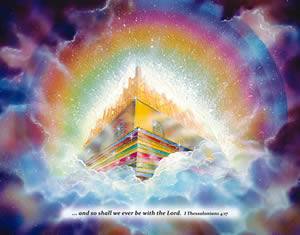
Choosing the right approach to heavenly light images unveiled starts with clear context, practical filters, and realistic expectations.
Introduction to Heavenly Light
Heavenly light, often depicted in art and photography, represents a profound and awe-inspiring phenomenon. It symbolizes the divine, spirituality, and a deeper connection to the universe. Images of heavenly light have been a cornerstone of religious and cultural expressions, offering solace, inspiration, and guidance to those seeking enlightenment.
The Significance of Heavenly Light in Art In
the realm of art, heavenly light is more than just a visual element; it's a metaphor for hope, redemption, and transcendence. Artists have long been fascinated by the ability of light to evoke emotions and convey complex ideas. From the dramatic chiaroscuro of Caravaggio to the serene landscapes of the Hudson River School, heavenly light has played a pivotal role in shaping the aesthetic and thematic directions of art movements.
The Role of Light in Spiritual Growth Spiritual growth often involves a quest for inner light, symbolizing wisdom, awareness, and a higher state of consciousness. Images of heavenly light can serve as powerful catalysts for this journey, providing visual reminders of
the aspirations and values that underpin spiritual practices. Whether used in meditation, prayer, or simply as a point of contemplation, these images can foster a sense of unity and purpose.
Uses of Heavenly Light Images
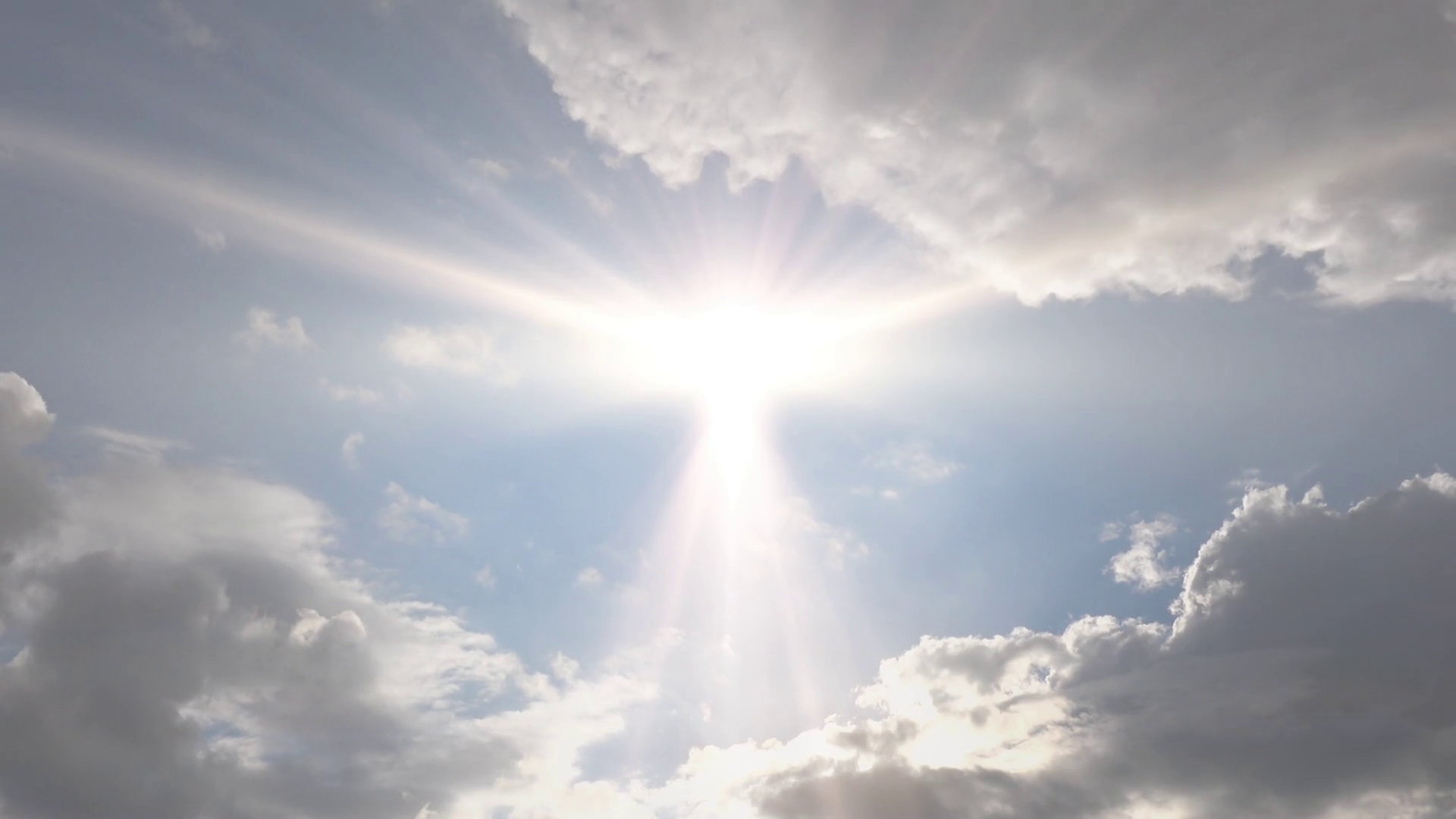
Heavenly light images are versatile and can be utilized in various contexts, from decorative art to therapeutic tools. They can: - Enhance Meditation Practices: By focusing on images of heavenly light, individuals can deepen their meditation, promoting relaxation and spiritual introspection. - Inspire Creativity: Artists, writers, and musicians often find inspiration in the beauty and symbolism of heavenly light, which can spark new ideas and perspectives. - Offer Comfort: In times of distress or grief, images of heavenly light can provide solace, reminding us of a larger, more compassionate universe.
Cultural Significance of Heavenly Light
The depiction of heavenly light varies across cultures, reflecting the unique spiritual, philosophical, and aesthetic values of each society. For instance: - In Christianity, light is often associated with God, representing divine grace and salvation. - In Buddhism, light symbolizes wisdom and enlightenment, guiding practitioners on the path to Nirvana. - In Islamic Art, intricate geometric patterns and calligraphy are illuminated to signify the beauty and wisdom of Allah.
Common Mistakes in Interpreting Heavenly Light Images

When engaging with images of heavenly light, it's essential to avoid common pitfalls, such as: - Overly Literal Interpretations: Reducing complex spiritual symbols to simplistic or dogmatic understandings. - Cultural Appropriation: Using images of heavenly light from other cultures without respect for their original context and significance. - Neglecting Personal Reflection: Failing to integrate the insights and emotions evoked by these images into one's personal spiritual journey.
Practical Examples and Use Cases
Practical applications of heavenly light images can be seen in: - Therapeutic Settings: Used in counseling and therapy to facilitate discussions about hope, resilience, and personal growth. - Educational Materials: Incorporated into religious studies and art history curricula to explore symbolism and cultural heritage. - Personal Spaces: Displayed in homes and workplaces to create an atmosphere of peace and inspiration.
Limitations and Workflow Tips
When working with images of heavenly light, consider the following: - Respect Cultural Sources: Always research and acknowledge the cultural origins of the images you use. - Contextualize Symbols: Understand the historical and symbolic context of heavenly light in different cultures and religions. - Balance Inspiration with Critical Thought: While embracing the inspirational value of these images, maintain a critical and nuanced understanding of their meanings and implications.
Conclusion
Images of heavenly light are powerful tools for spiritual growth, artistic inspiration, and cultural exploration.
By understanding their significance, uses, and limitations, we can harness their potential to enrich our lives and deepen our connection to the world around us. Whether through art, meditation, or simple contemplation, embracing the beauty and symbolism of heavenly light can lead us toward a path of enlightenment and inner peace.